
After a leak or water incident
Even when materials look dry, moisture can stay trapped in drywall, subflooring, insulation, or baseboards. An inspection helps confirm whether conditions are present for mold to grow.
Serving Livonia, Michigan & surrounding areas
One call instead of ten No web forms, no callback spam 24/7 Emergency Response
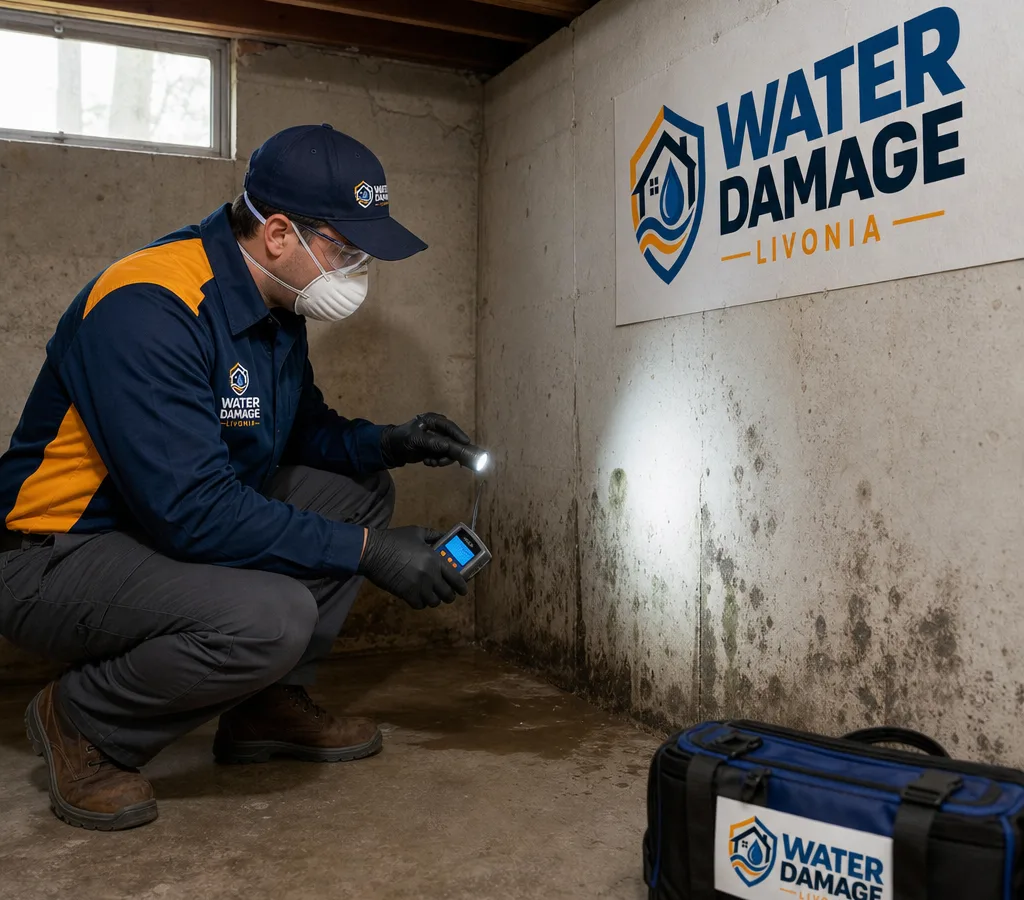
If you are seeing staining, smelling a musty odor, or dealing with a recent leak, an inspection can confirm whether mold is present, where it is coming from, and what to do next.
✓ Skip the 3-hour Google rabbit hole — we’ve already done the vetting
✓ One conversation, not ten voicemails and seven web forms
✓ 24/7 emergency response — talk to a real person who actually knows Livonia Damage
A real person answers - 24/7 Emergency Response
Searching for mold inspection Livonia usually means one thing: you need a clear, defensible answer before the problem spreads or a contractor starts tearing things out. Water Damage Livonia provides residential and commercial mold inspections that focus on two questions: is there active growth, and what moisture condition is feeding it.
A good inspection is part building science and part evidence collection. Mold needs moisture, so we look for the source first—plumbing leaks, roof and window intrusion, wet basements, condensation, or humidity. Then we verify what is likely mold and what is simply staining, dust, or old water marks. When sampling is appropriate, we collect it correctly so you have results that help you make decisions about cleanup and repairs.
A mold inspection should be more than a quick glance and a guess. Our process is built to document conditions and help you choose the next step with confidence.
Typical inspection scope includes:
You receive a written summary with findings, supporting photos when helpful, and practical next steps. If cleanup is needed, the goal is a clear scope so the work can be done safely and correctly.
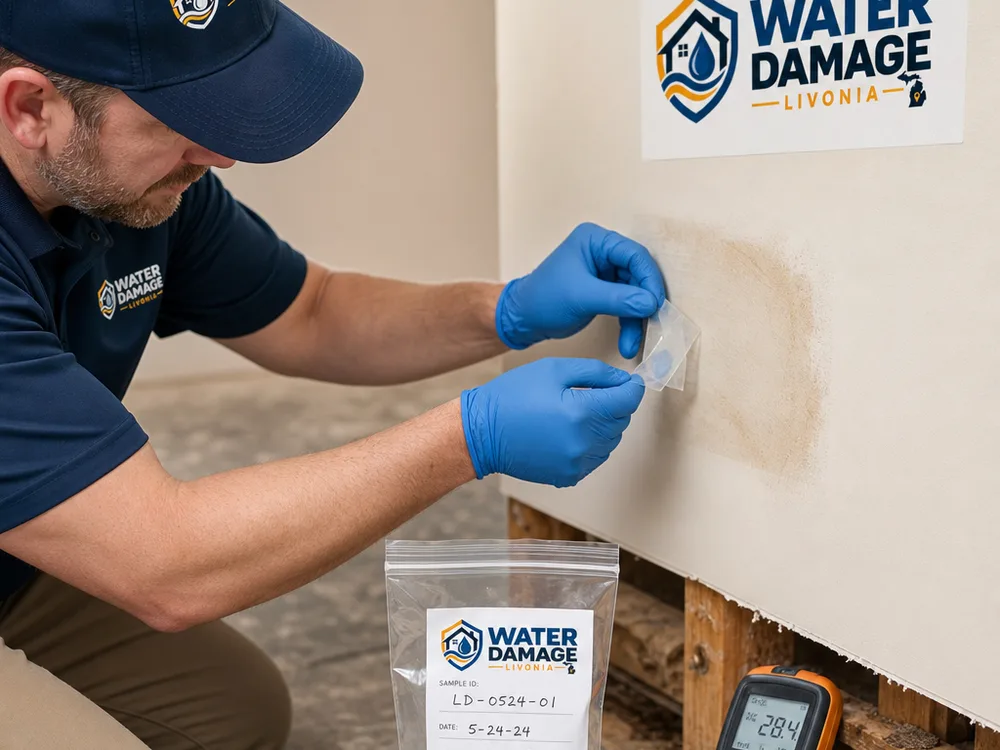
Even when materials look dry, moisture can stay trapped in drywall, subflooring, insulation, or baseboards. An inspection helps confirm whether conditions are present for mold to grow.
Odors often come from hidden areas like behind finished basement walls, under sinks, around sump pump pits, or inside HVAC return cavities.
A mold inspection can document current conditions, identify moisture risks, and reduce last-minute surprises during negotiation or repair requests.
Not every dark mark is mold. We look at location, moisture, and building materials to determine what you are seeing and whether it needs professional remediation.
Cold Michigan winters can drive condensation on windows, exterior walls, and poorly insulated areas. We help pinpoint where humidity control or ventilation changes matter most.
Each step narrows the source, documents current conditions, and identifies the most practical next action.
We start with your timeline and concerns: recent water events, where you noticed odors or staining, prior cleanup attempts, and whether the space is occupied or vacant.
We inspect the area, check nearby rooms, and use moisture tools to understand what is wet now and what likely got wet in the past. Moisture findings guide where we look next.
Sampling is not automatic. We recommend it when it will help confirm conditions, document the situation for decision-makers, or clarify a disputed area. Samples are collected and labeled to preserve the usefulness of results.
You get a written summary describing what we observed, where moisture is present, and what needs to happen next, whether that is drying, containment and remediation, repairs, or monitoring.
Mold inspection in Livonia typically ranges from about $250 to $650 for most homes, depending on the size of the property and whether sampling is needed. A basic visual inspection with moisture checks is often at the lower end, while inspections with multiple samples—surface and/or air—and larger footprints trend higher.
Your price depends on square footage, number of areas of concern, accessibility such as attics, crawlspaces, and tight mechanical rooms, how many samples are collected, and how quickly you need scheduling. The exact cost is confirmed after we review the property details and inspection scope.
Mold problems are usually moisture problems. In Livonia, we commonly see concerns tied to basements, older window and door openings, and seasonal humidity swings.
Basements matter because they are naturally cooler and can stay damp if drainage, grading, sump systems, or dehumidification are not keeping up. If a finished basement has wall coverings or flooring over concrete, moisture can be hidden until odor or staining shows up.
Cold-weather condensation is another repeat issue in Metro Detroit homes. When warm indoor air hits a cold surface—window glass, exterior corners, or uninsulated rim joists—moisture can form and feed growth on nearby materials.
If you are dealing with water intrusion that needs immediate stabilization, start with water damage restoration to stop the source and dry materials quickly. Once conditions are stable, inspection findings help confirm whether mold is present and what scope of cleanup is appropriate.
📞 Livonia • 24/7 Response“We had a musty smell in the finished basement but couldn't find anything obvious. The inspector mapped moisture along one wall, explained what it meant, and the report gave our contractor a clear scope to open the right area instead of guessing.”
“After a small kitchen leak we wanted to know if anything was growing behind the cabinets. The inspection was straightforward, the sampling was explained clearly, and we got actionable next steps instead of a sales pitch.”
Scheduling depends on current demand and how urgent the situation is, but we prioritize active moisture issues and time-sensitive real estate timelines. If you have a current leak or recently wet materials, getting an inspection and a drying plan started quickly matters because mold can begin growing on damp porous materials within 24 to 48 hours under the right conditions.
No. Air sampling is useful in some situations, but it is not required for every inspection. If there is visible suspect growth, a surface sample may be more direct, and if moisture mapping points to a specific hidden area, opening that area with the right precautions can provide clearer answers than relying on a single air test.
We can often identify elevated moisture and likely problem areas without removing materials, but we cannot visually confirm hidden growth through intact finishes. Moisture meters, infrared scanning used in the right conditions, and strong odor patterns can narrow the search. You can then decide whether targeted opening is warranted to confirm what is inside.
Leave any suspect areas as-is so we can document conditions accurately. Avoid running air purifiers or heavy cleaning in the areas of concern for a day beforehand if sampling may be needed, and make sure we can access key areas like under sinks, the furnace room, attic access, and basement storage walls.
Yes. The inspection summary explains the likely moisture source, the materials affected, and practical next steps. If remediation is appropriate, we outline a scope that typically includes fixing the moisture issue, setting containment when needed, removing or cleaning impacted materials based on porosity, and verifying the area is dry before rebuild.
Yes. We inspect commercial spaces and rentals, including offices, retail buildouts, and multi-unit properties. For property managers, we focus on documenting the moisture source, defining a clear scope for remediation, and minimizing disruption with an organized plan for access, containment, and scheduling.
Tell us what you are seeing and where it is happening. We will recommend an inspection approach that fits the situation, document the findings, and give you a practical plan for next steps in Livonia.
A real person answers - 24/7 Emergency Response