Leak detection and repairs
Pinpointing leaks at fixtures, supply lines, and accessible piping, then repairing with appropriate fittings and materials for the location and pressure.
Serving Livonia, Michigan & surrounding areas
One call instead of ten No web forms, no callback spam 24/7 Emergency Response
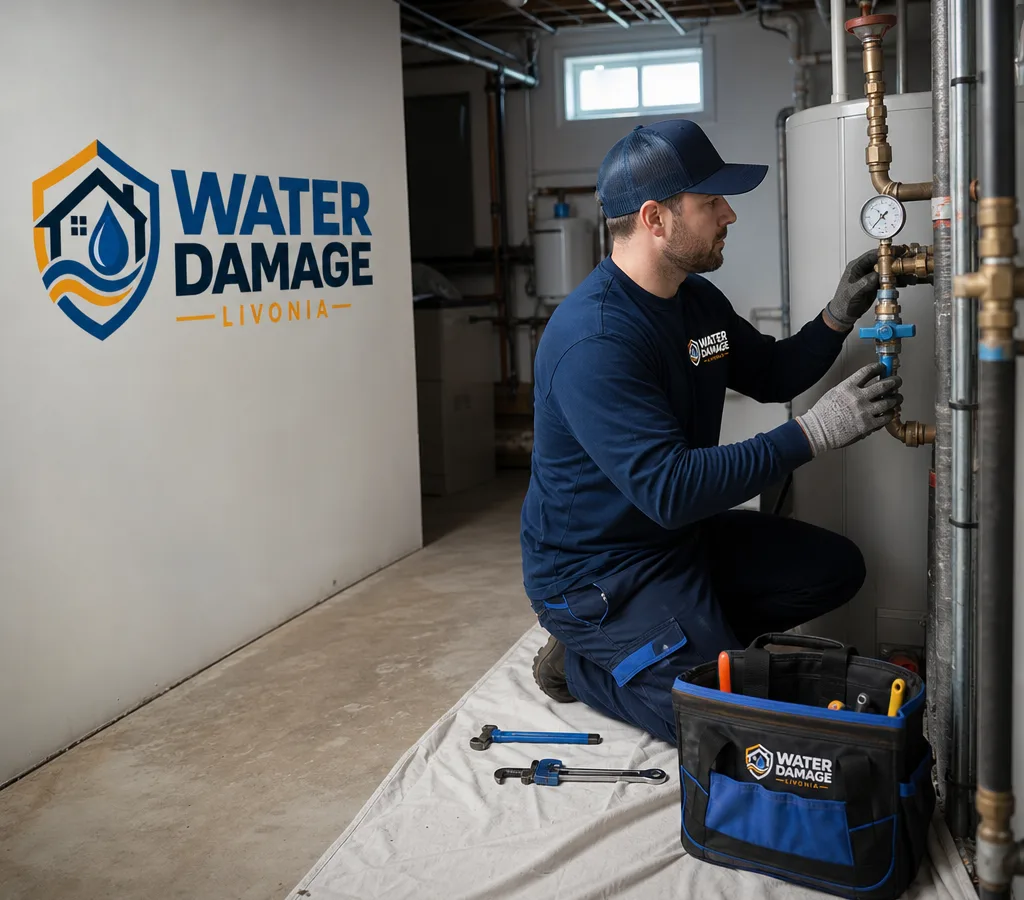
Licensed, practical plumbing help for leaks, clogs, broken fixtures, and urgent shutoffs. We troubleshoot fast, explain options in plain language, and leave you with a clear scope before work starts.
✓ Skip the 3-hour Google rabbit hole — we’ve already done the vetting
✓ One conversation, not ten voicemails and seven web forms
✓ 24/7 emergency response — talk to a real person who actually knows Livonia Damage
A real person answers - 24/7 Emergency Response
If you are searching for Livonia plumbing services, you usually need two things: the problem fixed and a straight explanation of what caused it. Our work starts with isolating the issue—fixture, branch line, or main—checking for obvious failure points, and confirming how the system is supposed to operate. For example, a slow drain can be a local trap blockage, a venting issue, or a partially obstructed main line. The fix depends on which one it is.
In Livonia, a lot of plumbing calls are tied to everyday wear and sudden failures: supply lines that start weeping, toilets that won't stop running, faucets that won't shut off cleanly, and drains that back up without warning. We handle both planned repairs and urgent service, and we document what we find so you can make an informed decision.
Need broader cleanup and rebuilding after a leak? Our Water Damage Restoration team coordinates the non-plumbing steps after the water is stopped, so the property can dry correctly and repairs can move forward in the right order.
Pinpointing leaks at fixtures, supply lines, and accessible piping, then repairing with appropriate fittings and materials for the location and pressure.
Clearing clogs and diagnosing recurring backups with a focus on the true restriction point, not just the closest drain that happens to be slow.
Basic troubleshooting, leak evaluation, and recommendations when replacement is the safer choice due to corrosion, tank failure risk, or venting concerns.
Repairing running toilets, weak flush issues, dripping faucets, loose valves, and worn seals, with clear options when a full replacement makes more sense.
Restoring control with functioning shutoffs and investigating pressure spikes or inconsistent flow that can stress fixtures and supply connections.
After a supply line or appliance leak, confirming the system is stable and that affected fixtures, connections, and valves are safe to put back in regular use.
When water is actively escaping, the first priority is stopping it safely. If you can reach the closest shutoff, do it. If not, we can help isolate the line, protect nearby materials, and stabilize the situation so repairs are controlled instead of rushed.
Common urgent calls include a toilet supply line that bursts, a failed shutoff that won't close, a water heater that starts leaking at the base, or a drain backup that risks overflow. In those moments, we focus on containment, safe shutdown, and a repair plan that keeps the same issue from returning next week.
Livonia has a mix of older and newer housing, which means repair access varies. Some homes have tight utility spaces or finished basements where small leaks travel before they show up. We plan repairs around access, use proper isolation and testing, and explain what we can confirm immediately versus what needs a follow-up inspection once things are dry.
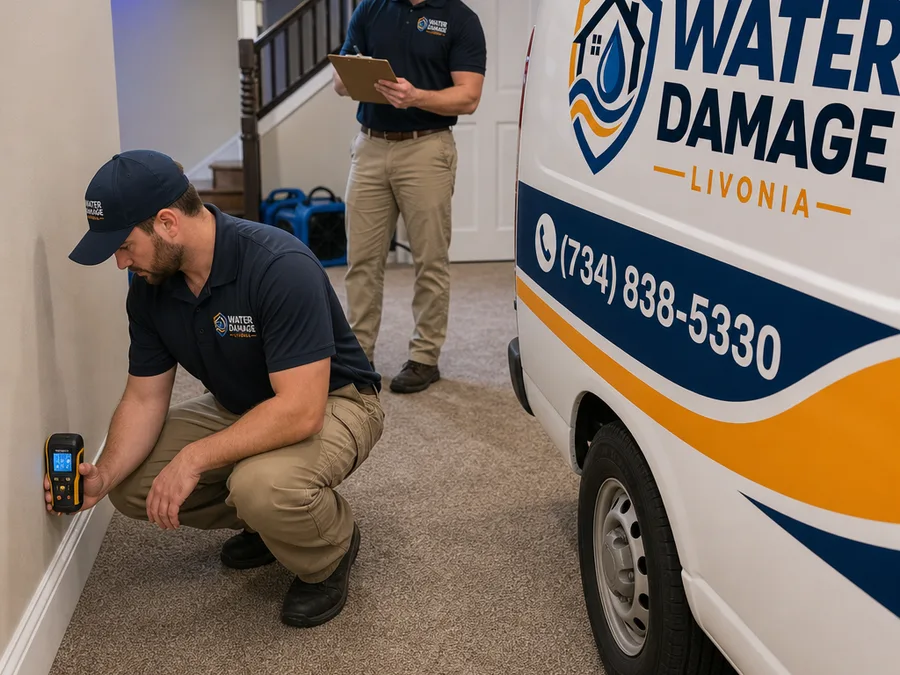
We identify the priority, verify the cause, explain the scope, and test the completed repair before outlining any water-damage follow-up.
We start by identifying whether it is an active leak, a no-water situation, a sewer backup, or a standard repair so we can route the right technician and tools.
We check the fixture, supply, drainage, and venting factors that apply, then confirm the failure point with practical testing instead of assumptions.
You get a clear explanation of what needs to be done, what is optional, and what can wait, along with any access requirements or risks we see.
We complete the repair using appropriate materials and methods, then verify operation, including flow, drainage, shutoff function, and visible leak checks.
If materials got wet, we outline practical next steps so drying and repairs happen in the right order and you are not rebuilding over trapped moisture.
Most Livonia plumbing services typically range from about $175 to $600 for common repairs like leak fixes, fixture swaps, or clearing a straightforward drain, while larger work such as water heater replacement or main-line issues often runs $900 to $3,500+ depending on the scope.
Your price depends on what failed, access—such as a crawlspace, finished basement, or tight utility area—parts needed, the time required to diagnose, and whether damage requires additional coordination after the plumbing is stabilized. The exact cost is confirmed after an on-site inspection and a written scope.
“We had a sudden leak under the kitchen sink and water was already in the cabinet base. They shut everything down quickly, replaced the failed connection, and explained what to watch for before we put everything back.”
“Our basement drain kept backing up after heavy use. The tech didn't just clear it and leave. He walked us through what was happening and what would make the problem come back.”
“What I appreciated most was the clear scope. I knew what was being replaced, why it was needed, and what could wait until later.”

Yes, we work with both homes and local businesses in Livonia, and we scope the work based on the system type and access. Commercial calls often involve higher-traffic fixtures and tighter downtime expectations, while residential work commonly centers on fixtures, drains, water heaters, and shutoffs.
Shut off the nearest valve to the fixture if you can do it safely, and if that does not stop the flow, shut off the main water supply. Then avoid using electrical devices in wet areas and move items off the floor if it is safe. Once the water is stopped, the next step is diagnosing the failed part and checking nearby materials for moisture that could require drying.
Recurring clogs usually mean the restriction was not fully removed or the problem is farther down the line than the affected fixture. Grease buildup, scale, and partial obstructions in a branch or main line can allow temporary drainage improvement, then slow again as the flow pattern returns. A proper diagnosis focuses on the actual restriction point, not only the closest slow drain.
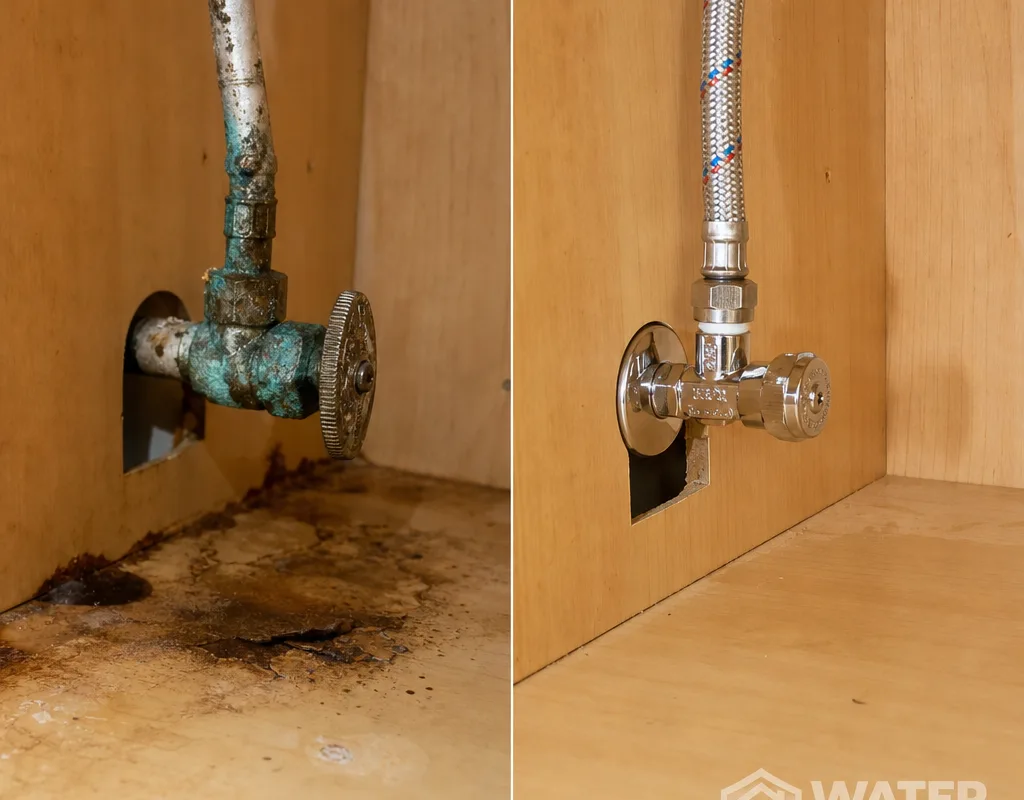
Yes, a shutoff that won't close is a common service call, and replacing or restoring control is often straightforward once we isolate the system safely. Functional shutoffs matter because they prevent a small failure like a supply line leak from turning into a much bigger cleanup.
Response time depends on the time of day and current demand, but active leaks, no-water situations, and backups are prioritized. When you reach out, we will confirm the severity, what you have already tried, and any access notes so the technician arrives prepared to isolate and repair the issue.
Yes, whenever the situation allows it, we provide a clear scope and pricing before proceeding. For emergencies where stopping the water is the immediate priority, we focus first on stabilization, then document the repair options and costs before moving beyond the urgent fix.
If you want plumbing work done once and explained clearly, tell us what is happening and what you have already tried. We will confirm the next step and schedule an on-site assessment.
📞 Livonia • 24/7 ResponseReach out with the symptoms you are seeing—leak location, which drains are slow, and whether any shutoff works. We will help you stabilize the situation and provide a clear repair plan with straightforward pricing.
A real person answers - 24/7 Emergency Response