
Debris and non-salvage removal
We remove ruined porous items and general mess so the room can be cleaned properly. Bagging, staging, and careful handling keep contamination from spreading to clean areas.
Serving Livonia, Michigan & surrounding areas
One call instead of ten No web forms, no callback spam 24/7 Emergency Response
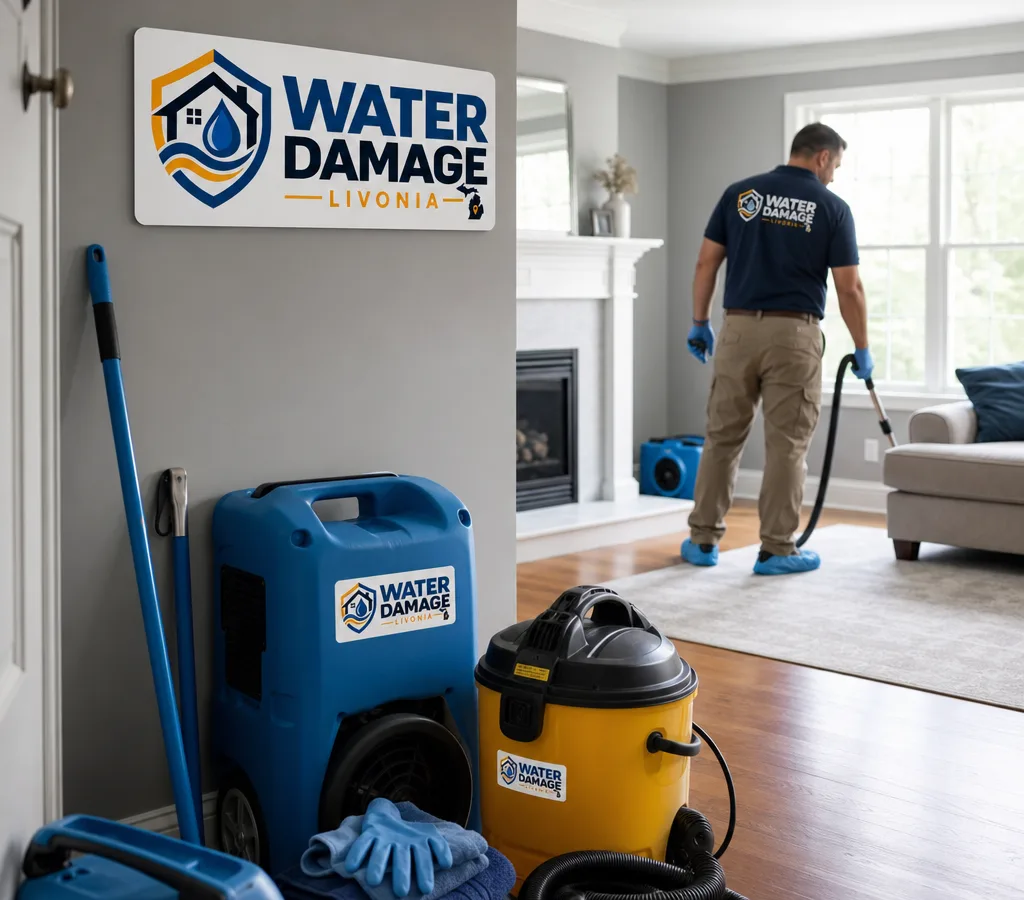
Get your home back to a clean, safe, livable state after a messy event. We handle debris removal, detailed cleaning, and targeted sanitizing with a clear scope and a practical plan.
✓ Skip the 3-hour Google rabbit hole — we’ve already done the vetting
✓ One conversation, not ten voicemails and seven web forms
✓ 24/7 emergency response — talk to a real person who actually knows Livonia Damage
A real person answers - 24/7 Emergency Response
If you searched for house cleaning Livonia MI, you probably need more than a quick tidy. When a home has been hit by water, a backed-up sink, a basement seepage issue, or a sudden mess that leaves residue and odor, the cleaning has to be done differently. The goal is to remove what should not be in the house anymore, clean what can be cleaned, and leave surfaces sanitary and safe to touch.
Water Damage Livonia provides house cleaning in Livonia, Michigan with an emphasis on recovery-style work: debris and spoiled contents, sticky residue, damp dust, and the kinds of hidden grime that show up after fans and dehumidifiers have run. We focus on practical steps that make the home usable again, and we communicate clearly about what is included, what is not, and what the next step should be.
Homes in the Livonia area often include finished basements, laundry rooms, and utility spaces where moisture and dirt collect after an incident. Those spaces need careful attention around floor drains, baseboards, cabinets, and low wall areas where residue can be missed if the cleaning is rushed.
We remove ruined porous items and general mess so the room can be cleaned properly. Bagging, staging, and careful handling keep contamination from spreading to clean areas.
We clean walls as needed, trim, doors, cabinets, counters, and fixtures with methods matched to the material so finishes are not damaged.
Hard floors, tile, vinyl, and sealed concrete each require different products and agitation. We use the right approach to lift residue without leaving slippery film behind.
After cleaning removes visible soil, we apply appropriate disinfectants to high-touch and affected areas. Cleaning comes first because disinfectants do not work well through grime.
We focus on removing the source of odors—residue, damp dust, and affected porous materials—instead of masking smells with fragrance.
We separate dirty and clean zones, use PPE when conditions call for it, and limit cross-contamination between rooms during the work.
After a water event, people often clean what they can see and still end up with odors, sticky floors, or recurring grime. That is usually because residue is left in corners, on baseboards, under toe-kicks, or inside lower cabinets where moisture traveled.
Our approach starts with a walkthrough and a written scope. We identify what needs removal—ruined porous contents—what needs cleaning—hard surfaces—and what needs extra attention, including low wall areas, transitions between rooms, and HVAC return areas near the mess. Then we work top-to-bottom so dirty runoff does not re-soil finished surfaces.
In Livonia, basements and lower levels commonly take the brunt of seepage and overflow. We pay close attention to stairs, handrails, and the path people walked while the issue was happening, because those traffic lanes spread contamination fast.
If you also need help with the broader recovery work beyond cleaning, start with Water Damage Restoration so you can coordinate drying, removal, and cleaning in the right order.
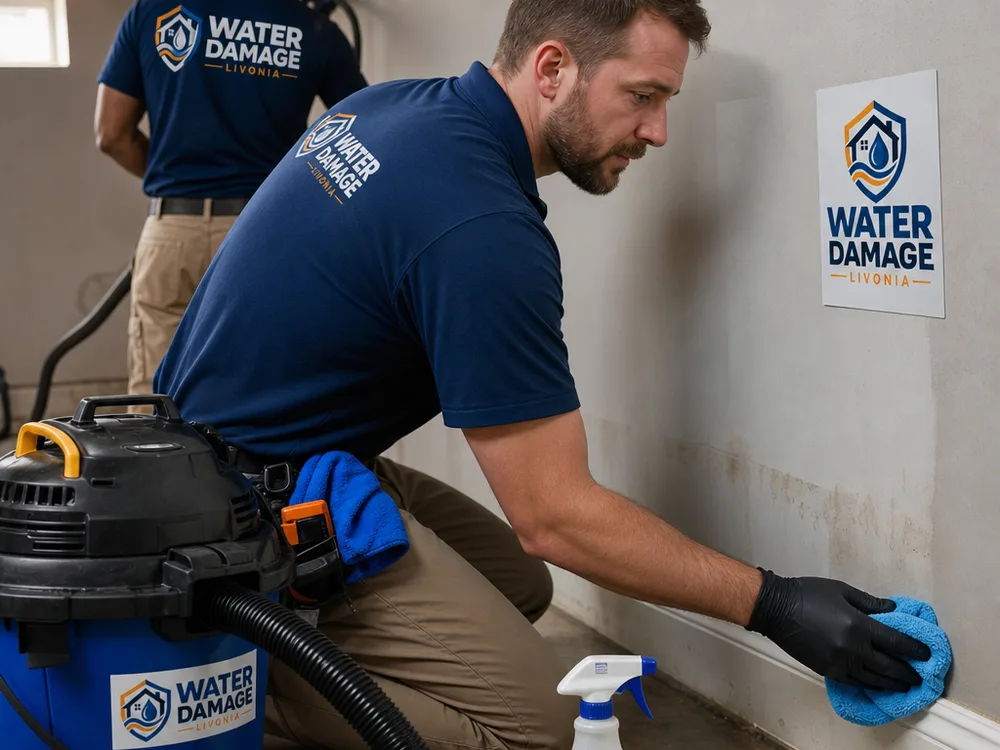
A defined sequence keeps affected contents organized, prevents cross-contamination, and makes sure detailed cleaning happens before sanitizing.
We look at affected rooms, materials, and what was stored in the area. You get a clear scope for what will be cleaned, what should be removed, and what is outside cleaning, such as damaged building materials that need repair.
We protect adjacent areas, set up a clean path for hauling, and separate salvageable items from non-salvage so the work stays organized and sanitary.
We remove debris and obvious contamination first. This step opens up corners, closets, and cabinetry so the detailed cleaning is effective.
We clean and rinse as needed, using methods appropriate for painted drywall, finished wood, laminate, tile, vinyl, stainless, and sealed concrete. The goal is clean surfaces, not damaged finishes.
Once surfaces are actually clean, we sanitize affected and high-touch areas such as handles, switches, railings, and bathroom or kitchen contact points near the incident.
We review what was completed, note any materials that cannot be restored by cleaning alone, and leave you with a straightforward next-step plan if additional work is needed.
House cleaning in Livonia typically ranges from about $250 to $900 for one to two affected rooms with detailed cleaning and sanitizing, while larger or more intensive cleanups can run $1,000 to $2,500+. A small basement utility area is often in the lower end; a full finished basement or multiple rooms with heavy residue and contents handling trends higher.
Final price depends on square footage, how much contents sorting or removal is needed, the type of surfaces such as carpet versus hard floors, the level of contamination, and access including stairs, tight hallways, and curb distance. The exact cost is confirmed after an on-site walkthrough and written scope.
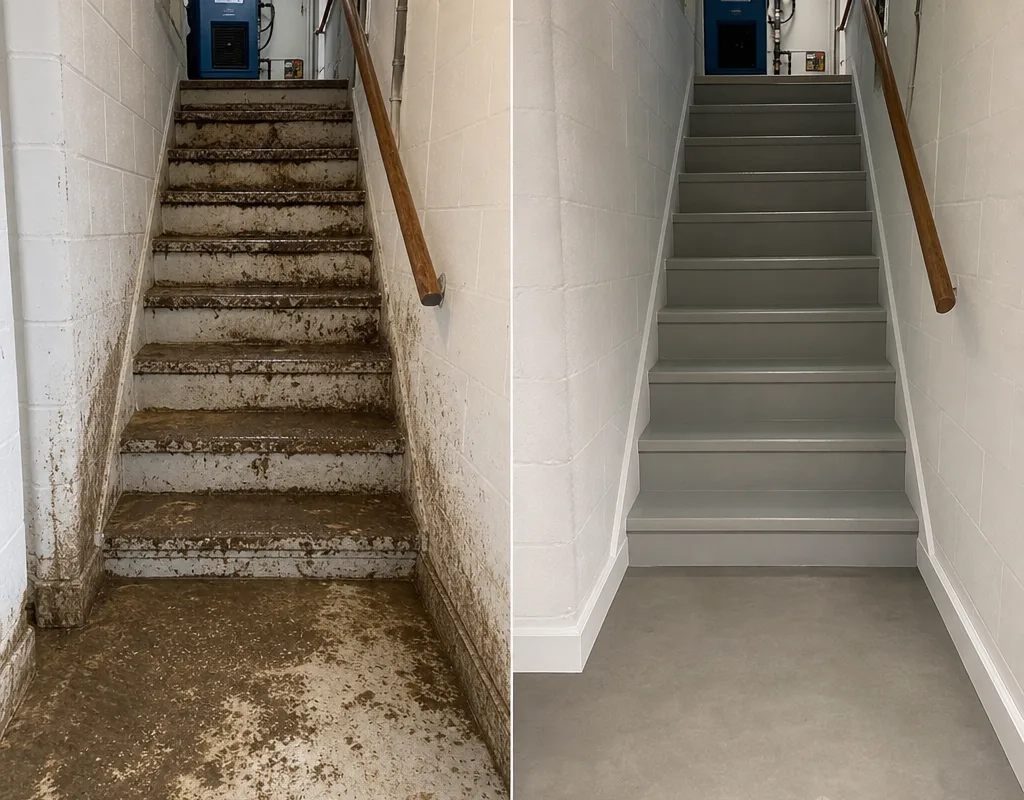
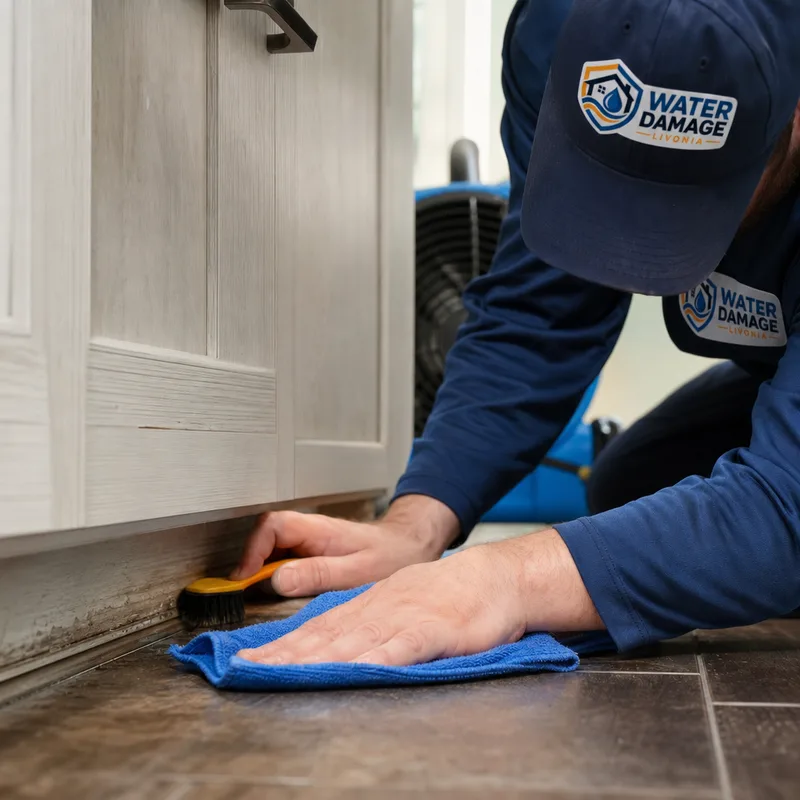
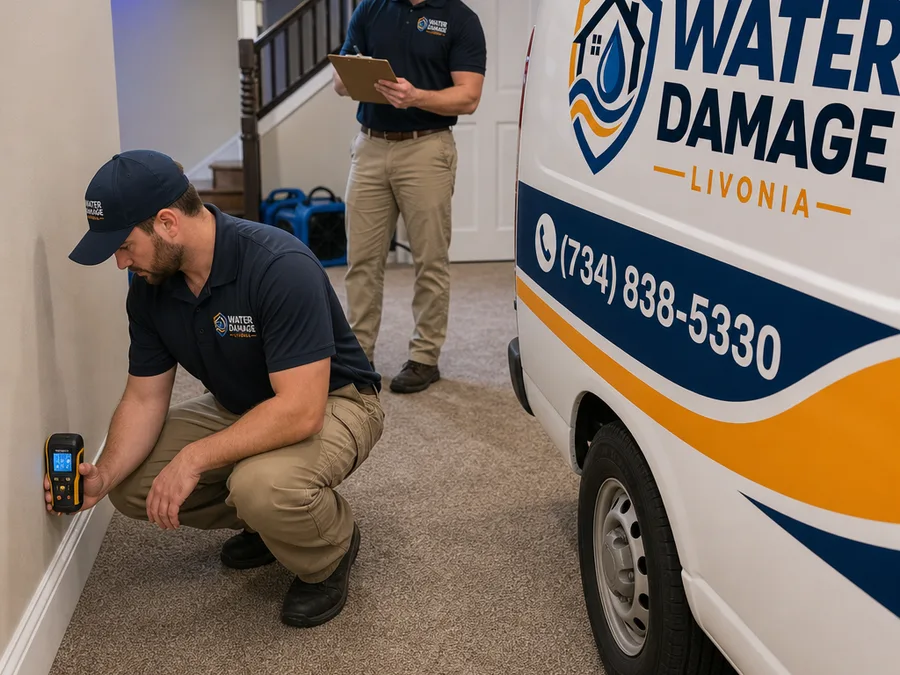
“We had a basement mess that tracked through the hallway. They focused on the places I would have missed, like the baseboards and the bottoms of the doors, and the sticky feel on the floor was gone.”
“The scope was clear and the team did not rush. They explained what could be cleaned versus what needed to be thrown out, which helped us make decisions fast.”
“I expected a basic wipe-down, but they treated it like a real cleanup. The room smelled normal again after the source was actually removed.”
Many hard surfaces can be cleaned and sanitized, while porous materials that stayed wet often cannot. Sealed concrete, tile, most plastics, and many finished surfaces can usually be restored with proper cleaning and disinfecting, but padding, wet drywall, and some pressed-wood materials may need removal if they swelled or stayed damp.
Same-day help is sometimes possible when the situation is urgent, especially for contained areas like a basement room, bathroom, or laundry area. Availability depends on current workload and whether the space is safe to enter, so sharing photos and the affected rooms helps us plan the right response.
If it is safe, stop the source of the mess, keep kids and pets out of the affected area, and avoid running HVAC fans that could spread damp dust or odor. Do not scrub with strong chemicals on stained or damaged materials before the walkthrough, because it can set stains or damage finishes and make it harder to confirm what needs cleaning versus removal.
Odor improves when the source is removed, which usually means cleaning residues and discarding affected porous items. If odor remains after thorough cleaning and sanitizing, it often points to hidden moisture or residue in low wall areas, under flooring edges, or inside cabinetry, and the scope may need to expand to address those spots.
Many projects can be done while you stay in the home as long as we can isolate the affected areas and maintain a clean path in and out. If multiple rooms are involved or there is significant contamination, we may recommend limiting access to certain spaces during the work for health and comfort.
Recovery-style cleaning focuses on debris handling, residue removal, and sanitizing protocols after an abnormal event, not routine dusting and straightening. It is more like a reset of affected rooms, with attention to baseboards, low walls, corners, and traffic paths where contaminants spread.
Tell us what happened and which rooms are affected. We will confirm what can be cleaned, what should be removed, and the safest order to get your home back to normal.
A real person answers - 24/7 Emergency Response